World Heritage
The World had learned from the devastation and destruction of the two world wars, To promote understanding between people and to secure peace, UNESCO was founded on November 16, 1945, as the educational, scientific, and cultural organization of the UN.
The World Heritage figure represents the interdependence of the world's natural and cultural diversity (Including Intangible Cultural Heritage). The idea of World Heritage was born, following the event in Abu Simbel during the 1960s. As a result, the initial member states of UNESCO signed the world heritage convention and were convicted to encourage the identification, protection, and preservation of cultural and natural heritage around the world considered to be of outstanding value to humanity in 1972. Apart from contributing to the preservation of these remarkable places, it also promotes cultural exchange, dialogue, and peace in a sustainable way. For a site to be included in the world heritage list, it must first be nominated by the country in which it is located. the nomination is examined by international experts, who decide whether the inclusion in the list is justified. Ultimately, the World Heritage Committee, a body of 21 elected states, takes a vote. The World Heritage Sites show the diversity of cultures and natural phenomena and are tangible evidence of the bond between human beings and nature.
Intangible Cultural Heritage, on the other hand, takes infinite forms. it is a source of human creativity and cultural diversity. Living Heritage brings human beings and communities closer together. The 2003 Convention aims at safeguarding this heritage and ensuring its continuous transmission. When the 2003 convention took effect, the lists of Intangible Cultural Heritage were established in 2008. In 2017, marked 10 years of the list was established, UNESCO listed almost 500 intangible cultural heritage elements.
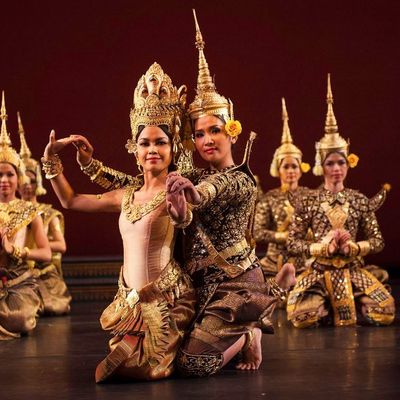
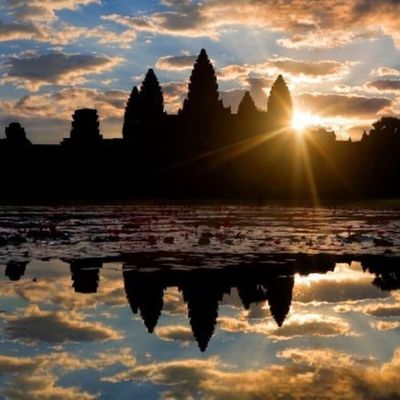
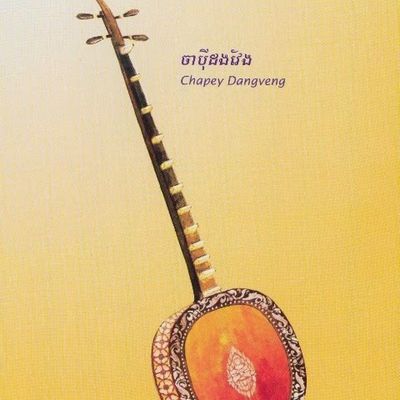
Cambodia became a member of UNESCO on July 3, 1951. The UNESCO office operated since then until it was closed in 1975 due to the internal political situation, and the organization's operations were suspended nationwide. Fortunately, the UNESCO office in Phnom Penh was reopened in 1991. Since the resumption of its operation across the country till the present day, Cambodia has five sites listed in the UNESCO World Cultural Heritage List (Angkor "1992"; Temple of Preah Vihear "2008"; Temple Zone of Sambor Prei Kuk, Archaeological Site of Ancient Ishanapura "2017"; Koh Ker: Archaeological Site of Ancient Lingapura or Chork Gargyar "2023", Cambodia Memorial Sites: From centre of repression to place of peace and reflection "2025") and seven Cambodian Intangible cultural heritage traditions or practices listed in the UNESCO lists of Intangible Cultural Heritage (Royal Ballet of Cambodia "proclaimed in 2003 and inscribed in 2008"; Sbek Thom, Khmer Shadow Theatre "proclaimed in 2005 and inscribed in 2008"; Tugging rituals and games "2015"; Chapei Dang Veng "2016"; Lkhon Khol Wat Svay Andet "2018"; Kun Lbokator; traditional martial arts in Cambodia "2022", Krama (Khmer Scarf) "2024") as follows:
World Heritage
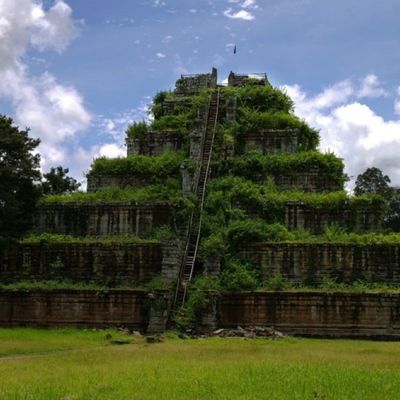
Koh Ker Temple Complex - The Archeological Site That Will Blow Your Mind
Koh Ker Temple in Preah Vihear province is constituted as “one of the marvels of Cambodian monumental heritage” by UNESCO.
Read more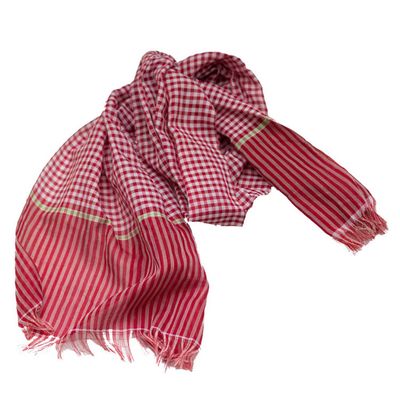
Culture
Krama (Khmer Scarf)
Kramar is a sturdy traditional Cambodian garment and signifies the Khmer cultural identity with many daily-life uses and ornate by all segments and religions.
Read more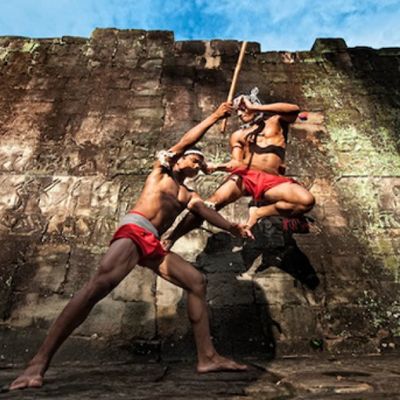
Art
Kun Lbokator - The Khmer ancient martial art
Kun Lbokator, known formally as Lbokator (គុនល្បុក្កតោ), is a Khmer martial art form that involves close hand-to-hand combat, ground techniques, and weapons. Lbokator is one of the earliest Khmer martial art dating back to early Angkorian period.
Read more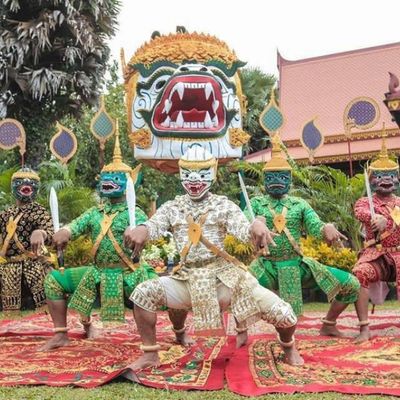
Theatre of Cambodia
Lakhaon Khaol (Male Masked Theatre)
According to the book Inventory of Intangible Cultural Heritage of Cambodia, Lakhaon Khaol is one of the oldest forms of Cambodian performing arts practiced as early as the Angkor period.
Read more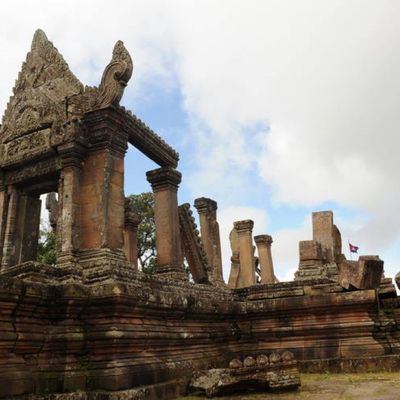
Temple
Preah Vihear Temple - The temple complex on the edge of a mountain plateau
Prasat Preah Vihear is stationed at a stunning location of all of the temples that were constructed during the six-hundred-year Khmer Empire because it provides a natural viewpoint that extends for several kilometers over a plain.
Read more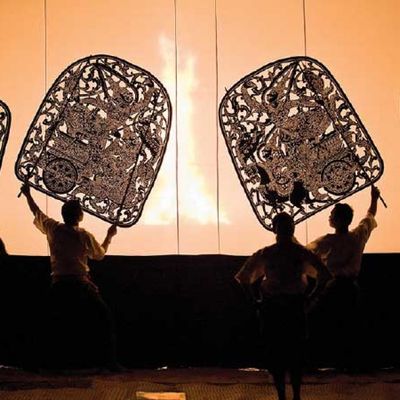
Theatre of Cambodia
Sbaek Lakhaoun (Khmer Shadow Theatre)
It is believed shadow leather originated in Cambodia probably in the pre-Angkor period. Based on the evidence, for example, the stone inscription (K.155) at Kuk Roka, Kampong Thom from the pre-Angkor period, which describes woman puppeteers in a performance using figures in a ceremony invoking Sarasvati, the goddess of learning and the arts. This confirms the use of small puppet images in religious ceremonies. Based on this inscription, we believe that Khmer puppets originated in the pre-Angkor period (9th Century).
Read more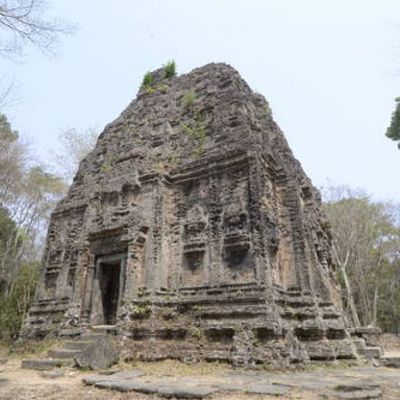
World Heritage
Temple Zone of Sambor Prei Kuk Archaeological Site of Ancient Ishanapura
The archaeological site of Sambor Prei Kuk, “the temple in the richness of the forest” in the Khmer language, has been identified as Ishanapura, the capital of the Chenla Empire (Chenla Kingdom) that flourished in the late 6th and early 7th till 9th centuries CE.
Read more